

A Sustainability Strategy That Works for Distributors
At DINGJIN, environmental responsibility is not a marketing slogan —
it is a commercial strategy designed to protect and strengthen our distribution partners.
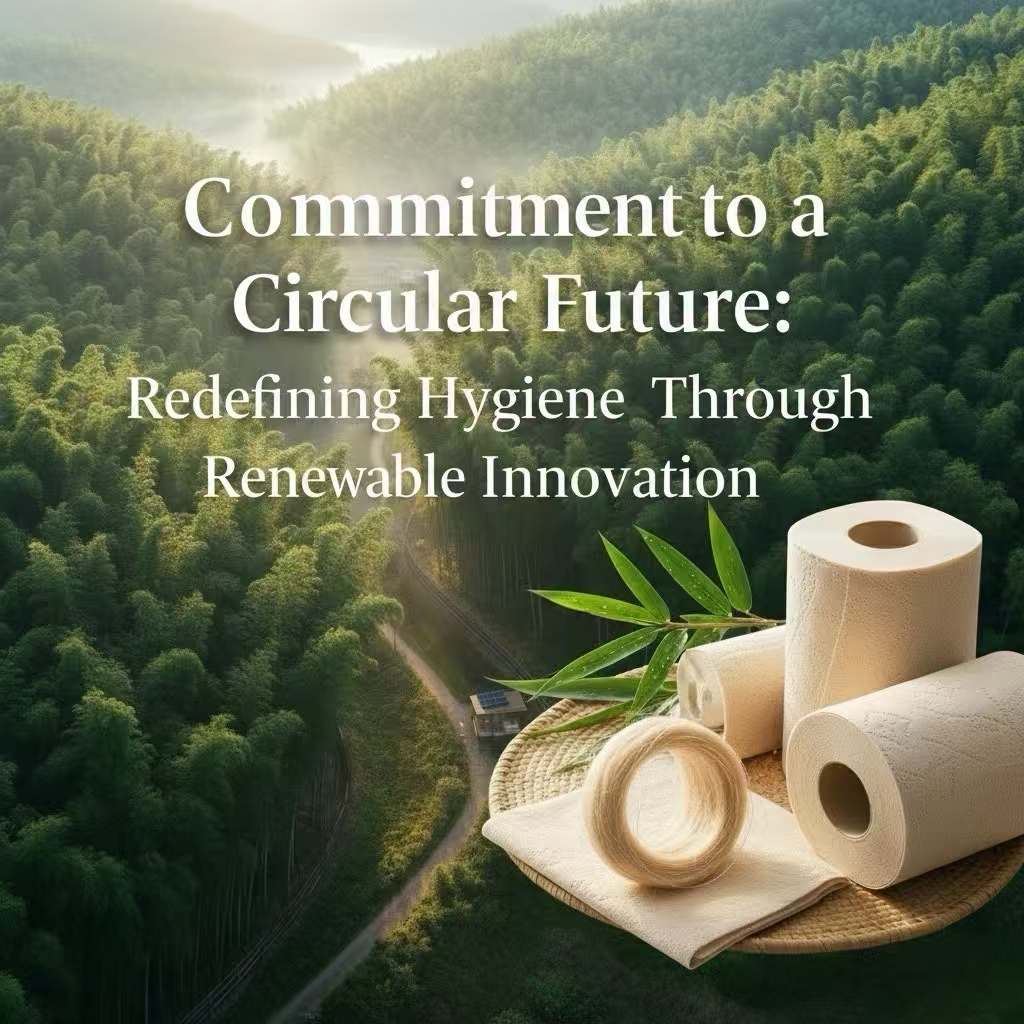
By building our hygiene products around bamboo, the world’s most rapidly renewable resource, we help distributors stay aligned with evolving regulations, retailer expectations, and long-term market demand.
Why Sustainability Matters for Distribution Partners
Across retail, healthcare, and institutional channels, sustainability is increasingly influencing listing decisions, tender approvals, and brand selection.
DINGJIN’s bamboo-based solutions help distributors:
Meet retailer and government sustainability requirements
Reduce compliance and reputational risk
Future-proof product portfolios against regulatory shifts
Differentiate from price-driven, commoditized paper products
How Our Environmental Strategy Creates Channel Advantage
Low-Carbon Materials That Support Market Access
Bamboo’s rapid growth and natural carbon sequestration enable products that are inherently low-impact, making them easier to position in modern retail, healthcare, and corporate procurement channels.
Reduced Dependence on Volatile Raw Materials
By shifting away from slow-growth wood pulp and plastic-based materials, distributors gain access to a more resilient and scalable supply chain, reducing long-term sourcing risk.
Easier Approval Across Multiple Channels
Our clean, renewable material profile aligns well with ESG frameworks, CSR commitments, and sustainability tenders, shortening approval cycles for distributors.
Stronger Long-Term Portfolio Value
Products built on renewable materials are less exposed to policy changes, plastic reduction initiatives, and deforestation regulations — supporting longer product lifecycles and stable repeat sales.
Responsible Sourcing That Protects Your Business
DINGJIN’s sustainability framework is built on four distributor-relevant pillars:
Zero-Deforestation Sourcing
Protects your brand and customer relationships from environmental compliance risks.Decarbonized Supply Chain
Supports climate-aligned sourcing without increasing operational complexity.Material Substitution Strategy
Enables distributors to replace traditional wood pulp and plastic-based products with commercially viable bamboo alternatives.Long-Term Supply Stability
Regenerative sourcing ensures continuity, consistency, and scalability as demand grows.
A Sustainable Partnership Model
By partnering with DINGJIN, distributors gain more than an eco-friendly product —
they gain a strategic advantage in a market that is rapidly shifting toward sustainability-driven decision-making.
Environmental responsibility becomes a tool for market access, risk reduction, and long-term growth.